




Google Introduces New Ad Formats in AI Mode: What Marketers Need to Know in 2026
Introduction
Google is redefining the future of search advertising with the launch of new ad formats inside AI Mode. As conversational search becomes more common, brands and marketers must rethink how they approach PPC, SEO, and user engagement in AI-powered search environments.
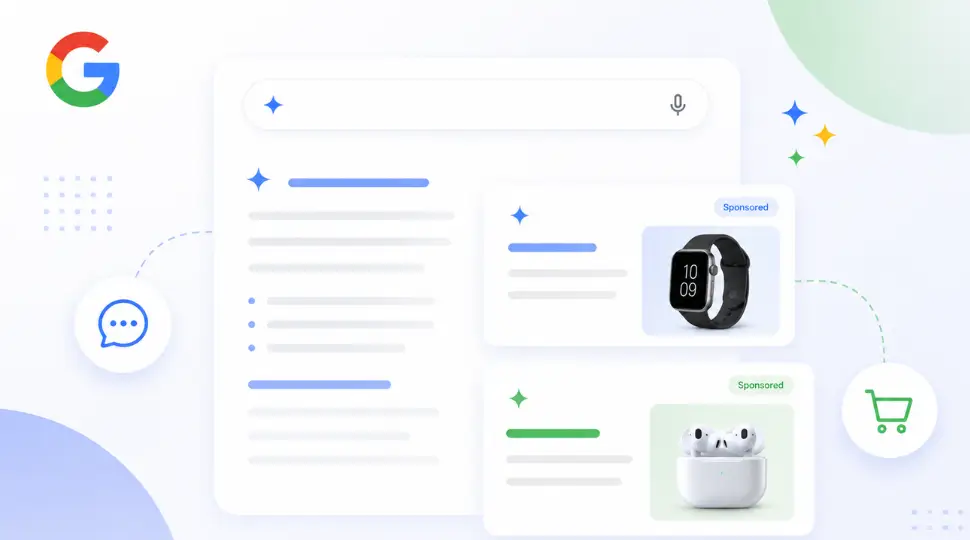
According to recent announcements, Google's new AI Mode ad experiences include Conversational Discovery Ads and Highlighted Answers, both powered by Gemini AI. These formats aim to integrate advertising naturally into AI-generated responses instead of relying solely on traditional keyword-based placements.
For marketers, this signals a major shift toward conversational commerce and AI-assisted discovery. To better understand the ideas discussed in AI-driven marketing strategies, consider strengthening your skills with a practical digital marketing course in Pune designed for real-world application.
As AI search continues evolving, businesses that adapt early may gain a significant competitive advantage.
What Are Google's New AI Mode Ad Formats?
Google just announced that two new ad experiences have been added in AI Mode:
- Conversational Discovery Ads
- Highlighted Answers
The ad formats are geared towards being embedded inside natural responses—not alongside traditional search results.
The move is part of Google's broader initiative to monetise the conversational AI-powered search experience while keeping users engaged.
AI Mode ads leverage the power of AI and contextual understanding, as opposed to relying on keywords and intent matching like traditional Google Ads.
Why Google Introduced Ads in AI Mode
Google's move to introduce ads in AI Mode is driven by the growing shift toward conversational search. As users increasingly interact with AI-powered search assistants, Google sees an opportunity to monetize these interactions while maintaining a seamless user experience.
This evolution allows Google to:
- Monetize AI-powered search interactions
- Provide more contextual advertising experiences
- Keep users engaged within the AI ecosystem
- Offer advertisers new ways to reach audiences
Conversational Discovery Ads Explained
Conversational Discovery Ads are designed for exploratory user prompts inside AI Mode.
For example, a user may ask:
"How can I make my living room smell like a luxury spa?"
Instead of showing traditional text ads, Gemini AI generates contextual product recommendations integrated into the conversation.
These ads are highly personalized and context-aware.
Key Features
AI-Generated Contextual Recommendations
The ads adapt based on the user's conversational intent rather than a single keyword.
Dynamic Creative Generation
Gemini AI can synthesize product descriptions and highlight features relevant to the query.
Sponsored Labels
Google confirmed that ads will remain clearly labeled as sponsored content.
What Are Highlighted Answers?
Highlighted Answers place sponsored recommendations directly inside AI-generated recommendation lists.
For example:
A user searching for the best language learning apps before traveling may see sponsored recommendations naturally inserted into the AI-generated suggestions.
This is a major evolution from standard paid search placements. Instead of appearing separately, ads become part of the recommendation ecosystem itself.
Why This Matters
Highlighted Answers allow advertisers to:
- Reach users earlier in the buying journey
- Increase visibility during research phases
- Improve product discovery
- Blend naturally into AI-generated experiences
This could significantly impact click-through behavior and purchase decisions.
How AI Mode Changes Traditional Search Advertising
Traditional Google Ads are largely based on:
- Keywords
- Search intent
- Match types
- Bidding strategies
AI Mode changes this entirely.
Gemini AI evaluates:
- Context
- User conversation history
- Semantic intent
- Query refinement patterns
- Behavioral signals
This means advertisers may need to rethink optimization strategies.
Traditional Search vs AI Search
| Traditional Search | AI Mode Search |
|---|---|
| Keyword-focused | Conversation-focused |
| Static queries | Dynamic interactions |
| Separate ads | Embedded recommendations |
| Short intent phrases | Long natural-language prompts |
| Manual optimization | AI-assisted personalization |
Impact on SEO and PPC Strategies
Google's AI advertising evolution could reshape both SEO and PPC industries.
SEO Implications
Websites may need to optimize for:
- Conversational content
- Structured data
- AI-readable formatting
- Entity-based SEO
- Contextual relevance
Google has also warned against manipulative GEO (Generative Engine Optimization) tactics aimed at influencing AI-generated results.
PPC Implications
Advertisers may need to focus more on:
- Creative quality
- Product feeds
- First-party data
- AI-compatible landing pages
- User experience signals
Measurement may also become more complicated because conversational journeys are less predictable than traditional search behavior.
The Rise of Conversational Search Marketing
Conversational search is becoming one of the biggest trends in digital marketing.
Users increasingly expect:
- Natural conversations
- Personalized responses
- AI-generated recommendations
- Interactive shopping experiences
This changes how brands create content.
Content That May Perform Better in AI Search
- Detailed FAQs
- Expert-led articles
- Comparison guides
- Product explainers
- Conversational blog content
- Trust-driven reviews
Brands that create genuinely helpful content may gain more visibility in AI-generated responses.
Benefits and Challenges for Advertisers
Benefits
Better User Intent Understanding
AI Mode can understand nuanced and complex queries more effectively.
Earlier Discovery Opportunities
Brands can influence users earlier in the customer journey.
More Personalized Advertising
AI-generated contextual recommendations may improve engagement.
Improved Shopping Experience
Integrated AI shopping experiences may reduce friction.
Challenges
Reduced Transparency
Marketers may struggle to identify which prompts drove conversions.
Complex Attribution
Conversational search journeys are harder to track.
Brand Safety Concerns
AI-generated content introduces potential risks related to accuracy.
Dependence on AI Systems
Advertisers may have less control over messaging presentation.
What This Means for Users
For users, AI Mode ads could create a more seamless search experience.
Instead of scanning multiple websites, users receive:
- AI-generated recommendations
- Contextual product suggestions
- Embedded sponsored options
- Interactive guidance
However, concerns remain about:
- Transparency
- Bias
- Data privacy
- Trust in AI-generated recommendations
Industry discussions on Reddit and marketing communities also highlight concerns about ads blending too naturally into AI-generated responses.
Best Practices for Brands in AI Search
Brands preparing for AI Mode advertising should focus on the following:
Create Helpful, Conversational Content
Content should answer real user questions naturally.
Improve Structured Data
Schema markup can help AI systems better understand your content.
Strengthen First-Party Data
Customer data and audience signals may become increasingly valuable.
Optimize Landing Pages
Pages should provide clear answers, fast loading speeds, and strong user experiences.
Focus on EEAT
Google continues prioritizing:
- Experience
- Expertise
- Authoritativeness
- Trustworthiness
Adding expert insights, statistics, screenshots, reviews, and real-world examples will become even more important.
Future of AI-Powered Advertising
Google's AI Mode advertising strategy may only be the beginning.
Industry experts believe future developments could include:
- AI-generated shopping assistants
- Voice-based advertising
- Personalized AI agents
- Interactive conversational commerce
- AI-driven product recommendations
Google is also integrating AI deeper into Search, Chrome, Gemini, and shopping ecosystems.
As search evolves from keywords to conversations, marketers must adapt quickly.
Final Thoughts
The new formats of ads in AI Mode represent one of Google's most significant changes to digital advertising since the advent of mobile search.
Search is going conversational, contextual and AI-powered.
For marketers, it's about pivoting beyond keywords and entering a new world where quality content, relevance, and trust are all key to visibility and conversions.
A budget-friendly digital marketing course in PCMC can be beneficial for most of you when you are looking for a digital marketing course in Thane or digital marketing classes in Pune.
While AI search technology continues to evolve, companies that focus on creating valuable content, user-friendly experiences, and ethical AI optimisation practices will continue to succeed.
"The best marketing doesn't feel like marketing."
— Tom Fishburne
FAQs
What are Google AI Mode ads?
Google AI Mode ads are conversational advertising formats integrated into AI-generated search responses powered by Gemini AI.
What are Conversational Discovery Ads?
These are AI-generated sponsored recommendations that appear naturally inside conversational AI search experiences.
What are Highlighted Answers?
Highlighted Answers are sponsored placements embedded inside AI-generated recommendation lists.
How will AI Mode impact SEO?
SEO strategies may shift toward conversational content, structured data, entity optimization, and AI-readable content formatting.
Are AI Mode ads clearly labeled?
Yes. Google states that all sponsored content inside AI Mode will remain clearly labeled.