




Agentic Commerce: The Complete Guide to Competing in AI-Powered Shopping
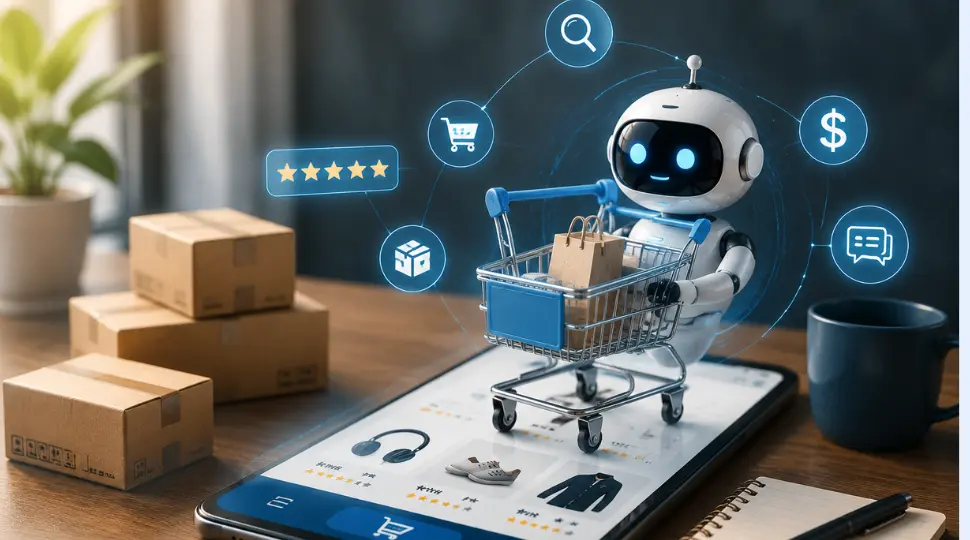
Agentic commerce is becoming one of the biggest transformations in the ecommerce industry, changing how customers discover products, compare options, make purchases, and interact with brands. Unlike traditional online shopping where customers manually search, filter, and checkout, agentic commerce uses AI-powered agents that can independently understand customer needs, recommend products, negotiate options, and complete transactions.
For businesses, this shift creates both opportunities and challenges. Brands that understand how AI agents influence buying decisions will have a major advantage in the future of digital commerce.
As AI assistants become smarter, businesses will no longer compete only for customer attention on search engines or marketplaces. They will compete for visibility inside AI-driven recommendation systems.
To better understand the ideas discussed in this transformation, consider strengthening your skills with a practical digital marketing course in Pune designed for real-world application.
The future of commerce will belong to companies that combine customer experience, data intelligence, automation, and strong digital strategies to stay ahead.
What Is Agentic Commerce?
Agentic commerce refers to a new model of online buying where artificial intelligence agents act on behalf of customers to complete shopping activities.
Instead of customers spending hours searching for products, AI agents can:
- Understand customer preferences
- Search multiple platforms
- Compare prices and features
- Recommend suitable products
- Predict future needs
- Complete purchases automatically
In simple words, agentic commerce moves ecommerce from customer-driven searching to AI-driven decision-making.
For example:
- A customer may tell an AI assistant:
"I need a laptop for video editing under ₹80,000 with good battery life."
Instead of showing hundreds of results, the AI agent analyzes requirements, reviews products, checks prices, and recommends the best options.
This changes the way brands attract customers.
In traditional ecommerce:
Customer → Search Engine → Website → Product → Purchase
In agentic commerce:
Customer → AI Agent → Brand/Product Recommendation → Purchase
The AI agent becomes the new gateway between businesses and consumers.
How AI Agents Are Changing Online Shopping
Artificial intelligence is rapidly improving the shopping experience by making it more personalized, faster, and automated.
1. AI-Based Product Discovery
Today, customers usually search using keywords:
"Best smartphone under ₹30,000"
"Affordable running shoes"
"Best skincare products for dry skin"
In the future, AI agents will understand the intent behind these searches.
Instead of matching keywords, AI will analyze:
- Customer preferences
- Previous purchases
- Budget
- Lifestyle
- Reviews
- Product quality
This means businesses need to optimize their products not only for search engines but also for AI recommendation systems.
2. Personalized Shopping Experiences
Personalization is becoming a major competitive advantage.
AI agents can analyze:
- Browsing history
- Purchase patterns
- Customer behavior
- Location
- Preferences
For example:
An online skincare brand can use AI to recommend products based on:
- Skin type
- Previous purchases
- Climate conditions
- Customer reviews
This creates a highly personalized buying journey.
According to industry research, customers are more likely to purchase from brands that provide personalized experiences because they feel understood and valued.
3. Automated Purchasing Decisions
One of the biggest changes in agentic commerce is automated decision-making.
AI agents can perform tasks such as:
- Finding better prices
- Tracking inventory
- Applying discounts
- Scheduling repeat purchases
- Managing subscriptions
For example:
A household AI assistant may automatically reorder groceries when supplies are running low.
This creates a new opportunity for businesses to build long-term relationships with AI systems.
Why Agentic Commerce Matters for Businesses
The rise of AI shopping agents means businesses need to rethink their digital strategies.
Previously, businesses focused on:
- Ranking on Google
- Running advertisements
- Building marketplace visibility
- Improving website conversion rates
Now, companies must also focus on becoming the preferred choice for AI recommendations.
The New Competition Is Not Only For Customers
Businesses will compete for:
- AI visibility
- Data quality
- Customer trust
- Product information accuracy
- Digital authority
- Imagine two similar products:
- Brand A has:
- Complete product information
- Verified reviews
- Strong reputation
- Clear pricing
- High-quality content
- Brand B has:
- Limited information
- Poor reviews
- Incomplete product details
An AI shopping agent is more likely to recommend Brand A because it has stronger trust signals.
Traditional Ecommerce vs Agentic Commerce
| Traditional Ecommerce | Agentic Commerce |
|---|---|
| Customers search manually | AI agents search automatically |
| Keyword-based discovery | Intent-based discovery |
| Customers compare products | AI compares products |
| Human-driven decisions | AI-assisted decisions |
| Website traffic focused | AI recommendation focused |
| Ads influence buying | Data and trust influence AI |
The transition does not mean traditional ecommerce will disappear. Instead, businesses will need to combine traditional digital marketing with AI optimization strategies.
How Businesses Can Prepare for Agentic Commerce
To compete successfully, businesses need to start preparing their digital ecosystem today.
1. Improve Product Data Quality
AI systems depend heavily on accurate information.
Businesses should optimize:
- Product descriptions
- Specifications
- Pricing details
- Images
- Customer reviews
- FAQs
Poor-quality information can reduce the chances of AI recommending a product.
For example, an ecommerce brand selling skincare products should provide detailed information about:
- Ingredients
- Benefits
- Usage instructions
- Skin types
- Customer concerns
The more structured and clear the data, the easier it becomes for AI systems to understand the product.
2. Build Strong Brand Authority
AI agents will prioritize trustworthy brands.
Businesses should focus on:
- Positive customer reviews
- Expert content
- Industry recognition
- Transparent policies
- Consistent online presence
A strong brand reputation will become an important ranking factor in AI-driven commerce.
3. Create AI-Friendly Content
Traditional SEO focuses on ranking pages for keywords.
However, agentic commerce requires content that answers real customer questions.
Businesses should create:
- Detailed FAQs
- Comparison guides
- Buying guides
- Product education content
- Customer-focused explanations
For example:
- Instead of writing:
"Premium Vitamin C Serum"
Create content like:
"Which Vitamin C Serum Is Best for Sensitive Skin? Ingredients, Benefits, and Usage Guide"
This type of content helps both customers and AI systems understand product value
Building a Strong Data Strategy for Agentic Commerce
In the era of agentic commerce, data will become one of the most valuable assets for businesses. AI agents rely on structured, accurate, and trustworthy information to make recommendations.
Companies that manage their data effectively will have a stronger chance of being selected by AI shopping assistants.
4. Use Structured Data for Better AI Understanding
Structured data helps search engines and AI systems understand products, services, and business information more effectively.
Businesses should implement:
- Product schema markup
- Review schema
- Pricing information
- Availability details
- Brand information
- Shipping details
For example, an online fashion store should ensure AI systems can easily understand:
- Product category
- Material
- Size availability
- Color options
- Customer ratings
- Return policies
When AI agents can clearly understand product information, they can confidently recommend those products to customers.
The Role of Personalization in Agentic Commerce
Personalization will become even more important as AI agents become the new shopping assistants.
In traditional ecommerce, personalization was limited to:
- Recommended products
- Email suggestions
- Retargeting ads
Agentic commerce takes personalization to another level.
AI agents can create shopping experiences based on individual customer needs.
Examples of AI-Driven Personalization
Healthcare Products
An AI assistant may recommend supplements based on:
- Age group
- Lifestyle
- Previous purchases
- Health goals
Fashion Industry
AI can suggest clothing based on:
- Personal style
- Weather
- Previous purchases
- Body preferences
Travel Industry
AI assistants can plan complete travel experiences:
- Flights
- Hotels
- Activities
- Budget planning
This means businesses need to collect and use customer data responsibly while maintaining transparency.
How Brands Can Build an AI-Friendly Digital Presence
To succeed in agentic commerce, businesses need to rethink their online presence.
A website should no longer only attract human visitors. It should also provide clear information that AI systems can understand.
Important Areas Businesses Should Optimize
1. Website Content Quality
AI systems analyze website content to understand:
- Business expertise
- Product value
- Customer trust
- Industry relevance
- Businesses should create:
- Detailed product pages
- Educational blogs
- Customer guides
- Case studies
- Reviews
High-quality content improves visibility across both search engines and AI platforms.
2. Customer Reviews and Trust Signals
Reviews will become even more important in AI-powered shopping.
AI agents will analyze:
- Customer satisfaction
- Product reliability
- Brand reputation
- Common complaints
Businesses should encourage genuine reviews through:
- Follow-up emails
- Customer feedback campaigns
- Review management systems
A product with hundreds of positive reviews will naturally have an advantage over competitors.
3. Omnichannel Brand Presence
Customers interact with brands across multiple platforms:
- Websites
- Social media
- Marketplaces
- Apps
- Communities
AI systems collect information from different sources to understand brand credibility.
Therefore, businesses should maintain consistency across:
- Product details
- Brand messaging
- Pricing
- Customer support
Challenges Businesses May Face in Agentic Commerce
While agentic commerce provides significant opportunities, businesses will also face new challenges.
1. Reduced Direct Website Traffic
One major concern is that customers may interact with AI assistants instead of visiting websites directly.
For example:
Earlier:
Customer searches → Visits website → Purchases
Future:
Customer asks AI → AI recommends product → Purchase happens
This may reduce traditional website visits.
Businesses must focus less on only attracting clicks and more on becoming the preferred recommendation.
2. Increased Competition
AI recommendation systems may make competition more intense.
A small change in:
- Product quality
- Reviews
- Pricing
- Customer experience
can influence AI recommendations.
Businesses need continuous improvement to maintain visibility.
3. Data Privacy Concerns
Agentic commerce depends heavily on customer data.
Businesses must ensure:
- Secure data handling
- Customer consent
- Transparent policies
- Responsible AI usage
Trust will become a major factor in customer relationships.
Future Trends of Agentic Commerce
The future of ecommerce will be shaped by advanced AI capabilities.
Here are some major trends businesses should watch:
1. AI Shopping Assistants Will Become Mainstream
Consumers will increasingly rely on AI assistants for:
- Product research
- Recommendations
- Price comparison
- Purchases
Companies that optimize for AI visibility early will gain a competitive advantage.
2. AI Will Influence Brand Discovery
In traditional marketing, businesses compete for:
- Google rankings
- Social media reach
- Advertising visibility
In the future, businesses will compete for AI recommendations.
The question will change from:
"How do we rank higher on Google?"
to:
"How do we become the brand AI recommends?"
3. Hyper-Personalized Commerce
AI will create shopping experiences unique to every customer.
A future customer may receive:
- Personalized product recommendations
- Customized offers
- Automated purchasing suggestions
- AI-generated shopping plans
This will make ecommerce more convenient and customer-focused.
How Digital Marketers Should Adapt to Agentic Commerce
Digital marketing professionals will also need to upgrade their skills.
The future marketer must understand:
- AI-powered search
- Data analytics
- Customer behavior
- Automation tools
- AI content optimization
- Performance marketing
Businesses will require marketers who can combine creativity with technology.
Whether you’re exploring a digital marketing course in thane or comparing digital marketing classes in pune, choosing an affordable digital marketing course in pcmc can help you build strong fundamentals without overextending your budget.
Practical Example: How a Small Brand Can Compete in Agentic Commerce
Consider a small skincare company competing against large beauty brands.
Instead of spending millions on advertising, the brand can focus on:
Step 1: Improve Product Information
Add:
- Ingredient details
- Skin concerns
- Usage instructions
- Customer testimonials
Step 2: Build Authority
Create:
- Educational blogs
- Expert interviews
- Customer success stories
Step 3: Optimize AI Visibility
Ensure:
- Accurate product feeds
- Structured data
- Consistent brand information
Step 4: Deliver Excellent Customer Experience
Encourage:
- Reviews
- Repeat purchases
- Customer loyalty
A strong digital foundation can help smaller brands compete in an AI-driven marketplace.
Conclusion
Agentic commerce represents the next major evolution of online shopping. As AI agents become smarter, they will influence how customers discover products, evaluate brands, and complete purchases.
Businesses that rely only on traditional marketing methods may struggle to compete. The future belongs to brands that build strong digital foundations, maintain trustworthy customer relationships, and optimize their information for AI-driven systems.
Companies should start preparing today by improving their data quality, creating valuable content, strengthening customer experience, and adopting AI-powered strategies.
The businesses that successfully adapt to agentic commerce will not only survive the future of ecommerce but also lead it.
.
FAQs
1. What is agentic commerce?
Agentic commerce is an AI-driven shopping model where intelligent agents help customers discover, compare, and purchase products automatically based on their needs and preferences.
2. How is agentic commerce different from traditional ecommerce?
Traditional ecommerce requires customers to search and make decisions manually, while agentic commerce uses AI agents to assist or automate purchasing decisions.
3. Why should businesses prepare for agentic commerce?
Businesses need to prepare because AI agents will increasingly influence product discovery and customer decisions. Brands that provide accurate data and strong trust signals will have better visibility.
4. How can companies optimize for AI shopping assistants?
Companies can optimize by improving product information, maintaining strong reviews, creating helpful content, implementing structured data, and building brand authority.
5. Will agentic commerce replace traditional ecommerce?
No. Agentic commerce will enhance ecommerce by making shopping faster and more personalized. Businesses will need to combine traditional digital strategies with AI-focused optimization.