


90% of SEO Is a Waste – These 30 Factors Actually Drive Results in 2025
Table of Contents
- Introduction
- Content & Relevance
- User Experience & Engagement
- Technical SEO Essentials
- Backlinks & Off-Page SEO
- SERP Features & Trust Factors
- Conclusion
- FAQs
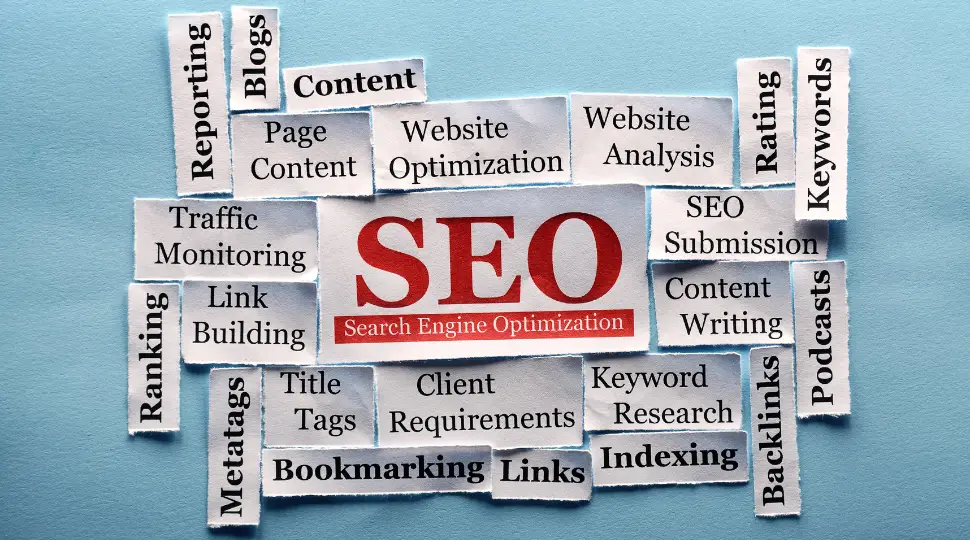


SEO is changing more than ever—and by 2025, digital marketing will not consist of keywords or backlinks. Today, Google benefits brands which are user experience orientated, rich in content and trusted. That is why a lot of these companies waste their time on outdated strategies rather than a proven one. Being a learner seeking a growth opportunity such as the Digital Trainee’s digital marketing course in Pune , a real insight into the actual ranking considerations will provide you with a high competitive advantage.
The 30 actual SEO factors that move the needle are highlighted here, and they are organised into the following categories: content, user experience, technical SEO, backlinks, and SERP optimisation.
Google prioritises the content that is directly related to the intent of the user – informational, commercial, or transactional content. Intent matching reduces the bounce rate and relevance. An effective marketing plan will always start with the knowledge of what users are seeking.
In order to be ahead of competitors, rule your niche using topic clusters. The fact in the industry is that Google favours websites that have depth and experience. Design pillar pages and connect the support articles.
Periodically refresh the outdated information, statistics, and illustrations. Google favours new content that remains in tandem with the evolving user behaviour and trends.
Google knows what – not only keywords. Use terms that are NLP friendly and relate things in a natural way. The commercial fact is obvious: semantic optimisation increases search visibility many times.
Show biographies, qualifications, reviews, and experience. Include certifications and references to the press so that it becomes more credible.
Provide appropriate headings, TOC, and formatting. Formatted information enhances easy reading and comprehension by crawlers.
The release of case studies, surveys, and data makes it more engaging and trustworthy. Online brand building is fastened through multimedia such as videos and infographics.
Your site should satisfy the requirements of speed set by Google:
Responsive design is necessary since it is mobile traffic (more than 60%). Tie social media marketing campaigns with mobile-friendly pages.
Longer dwell time, deep scroll, and low bouncing rates are good ranking signals to Google.
Compose plain, clear content. This can be done through short sentences, appropriate spacing, alt texts, and simplified navigation, which can add more marketing life to your content.
“The best way to win at SEO is to stop trying to game the system and start trying to understand the user.”
-Rand Fishkin, Founder of Moz & SparkToro
Make sure that Google is able to find your content. Enhance robots.txt, XML sitemaps, and canonical.
Server-side rendering should be used to ensure that pages load correctly with search engines on the websites that are heavily reliant on JS.
Add FAQ, how-to, review, and product schema to improve the visibility of SERP.
URLs should be short, descriptive, and logical. Good URLs enhance user consumption and crawling.
Canonical tags should be used, and duplicate content should be avoided, as it confuses search engines.
A single high-quality authoritative backlink has more strength than hundreds of low-quality links.
Google places more emphasis on the links that are placed naturally and in high-quality content.
Site authority is enhanced even when brands are mentioned without the links.
Growth and authority of business are expedited by the use of guest blogs, podcasts, and press features.
Interesting material generating shares will make your brand seem more credible.
NAP consistency, Google reviews, and local citations should be optimized towards more local rankings.
Short, direct answers are to be used to pick up position zero.
Provide quick replies to ensure that even when users do not click, your brand name promotes itself.
Maximize the visibility of YouTube descriptions, tags, and thumbnails.
Google relies on websites that are secure. Always apply strong authentication and use SSL.
Connect with the reliable sources of authority to confirm statements.
Promote the reviews and prominently show credibility badges, policies, and transparent business information.
The ability to master these 30 SEO factors has the ability to make life more visible in 2025 even when you are in competition with larger brands. Keep in mind: the modern rankings are based on the user experience, relevance, trust, and technical accuracy. Want to know more and build your career? Consider the Digital Trainee’s online digital marketing course and get to know how to apply the mentioned strategies in practice.
1. What matters most for SEO in 2025?
Answer:- The most important priorities are user experience, content quality, semantic relevance, EEAT, and technical SEO.
2. Should backlinking be considered?
Answer:- Yes -- but only high-quality and contextual backlinks count.
3. What can I do to enhance topical authority?
Answer:- Establish pillar pages and blogs, and link them to each other to build deep topical authority.
4. Is there a correlation between Core Web Vitals and rankings?
Answer:- Absolutely. Slow or unstable sites create a bad user experience and negatively affect rankings.
5. What is the frequency of updating the content?
Answer:- Periodically refresh popular and evergreen content every 3–6 months.