


Digital Marketing using Ethical AI Branding - Crucial elements to establish long-term trust
Table of Contents
- Introduction
- Ethical AI branding
- Why it is important
- Practical strategies
- How to adopt ethical AI in branding
- Conclusion
- FAQs
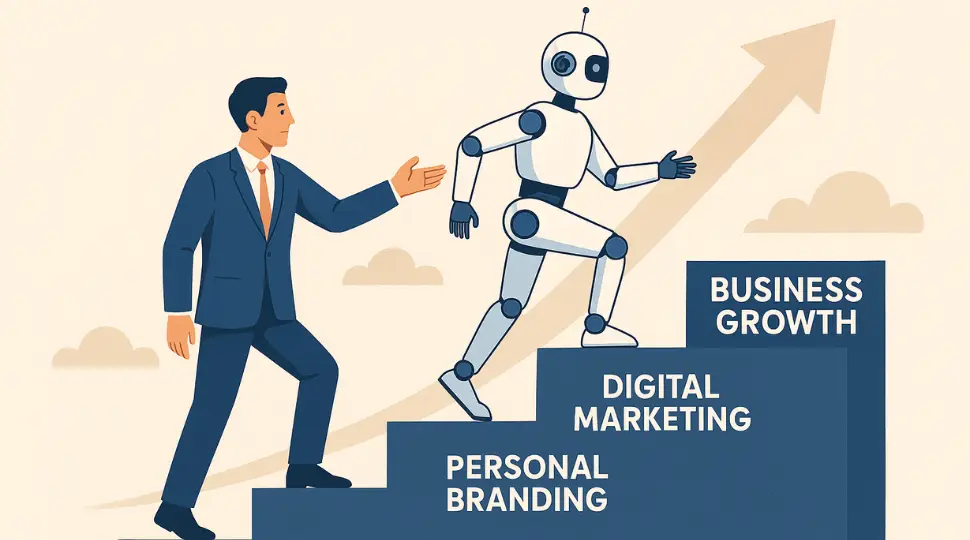


Do you also believe AI is magic? Unfortunately it's a tool. Like any instrument, it can be beneficial or detrimental depending on who is using it and what the purpose is for which it is used. How AI in marketing can speed up personalisation, save time, and spot patterns that people miss, but if it's applied carelessly, it can also feel manipulative, violate privacy, or foster discrimination. Using AI to create businesses that respect people, uphold integrity, and cultivate long-term trust rather than just quick clicks is where ethical AI branding steps into the picture. Recent business guidelines state that because the cost of ignoring ethics is rising quickly, businesses are developing ethical codes of conduct along with accountable procedures. At Digital Trainee's Digital Marketing Course in Thane, they teach you AI-driven digital marketing.
Ethical AI branding is the use of AI-powered marketing (personalisation, targeting, content creation, analytics) in ways that promote the brand's human voice while being consistent with basic moral principles—transparency, justice, responsibility, and respect for user privacy. Think about it this way: "We'll use smart tools, but we won't trick, deceive, or let bias drive our decisions."
In a nutshell, trust. Another thing is consumers do notice. A deceptive "hyper-personalized" advertisement might be effective at first, but users will leave and alert others if they feel tracked or find that their information was used without consent.Because there is actual reputational and regulatory risk, organisations are now developing formal ethical policies and teams to address AI assessments. This change is real; researchers and business executives are proactively disseminating guidelines for appropriate artificial intelligence use.
With example: Avoid Being Overshadowed by AI
Here is the story of how small people-centered choices build better stories than short term growth hacks.
This is the tale of how simple, people-centered decisions create more compelling plots than swift marketing tricks.Riya runs a guesthouse with three rooms. She generated emails and ad segments via an AI script.
Conversions shot up, but complaints also rose as well as customers continued to get offers for services they had already declined. Riya had a choice to make: either slow down, ask guests what they wanted, and adjust the data flow so the AI remembered preferences, or keep the aggressive AI defaults and chase bookings. The latter was her choice. Positive reviews surged, bookings remained stable, and a modest loyalty program started to take shape. Thorough knowledge of Digital Marketing could assist you to take better decision in this digitize world.
"The danger isn't that computers will get too smart—it's that we think they're infallible"
- Hannah Fry
Transparency: When AI is used in content or decision-making, customers have a right to know. Brief explanations or straightforward labels are effective.
Consent & Privacy: You don't necessarily have permission just because you're quiet or inactive. Gather only the information that is required, protect it, and respect opt-out
Fairness: To guarantee fairness when AI is used in pricing, targeting, or job-related content, models must be checked for possible biases and descriptions.
Human Oversight: Involve interested parties in sensitive decisions and requests.
Accountability: Identify the team member responsible for any harm caused by an AI system and maintain a record of the decisions made. These ideas are practical; businesses like IBM and others have published guidelines for intelligently integrating AI.
Brief case studies that demonstrate the process
IBM: Released lessons learnt from their responsible AI journey, with a focus on deployment accountability, testing, and governance. International Economic Forum
As an illustration, Dove researched AI in marketing while focussing on bias and inclusivity in beauty campaigns. This serves as a reminder that brand values need to guide AI decisions. responsibleai.founderz.com
Ethical AI branding is neither a marketing catchphrase nor a legal requirement. It involves a number of routine decisions, including establishing data limitations, informing users of what happens to their data, examining models for bias, and keeping people informed. Adopting these practices will help brands avoid PR pitfalls and build stronger, more enduring relationships with consumers. Similar to Riya's homestay, small changes can turn an overpriced AI into a loyal client. Want to learn in-depth about ai and digital marketing then join Digital Trainee's Online Digital Marketing Course, that provides 100% practical and hands-on training.
1. Will ethical AI have an impact on successful marketing?
Answer:- Not always. While ethical AI can reduce hyper-targeting, it frequently increases lifetime value and long-term trust. Short surges in growth will give way to steady growth.
2. How can a bias marketing model be verified?
Answer:- Divide outputs into pertinent groups (e.g., area, age band) and compare results. A warning sign is when one group is routinely left out or overexposed.
3. What is one essential transparency action I can take right now?
Answer:- Include a brief description in emails or product recommendations produced by AI: 'Your booking history and preferences were used to create this recommendation.'