



How to Build a Customer Intent Marketing Strategy
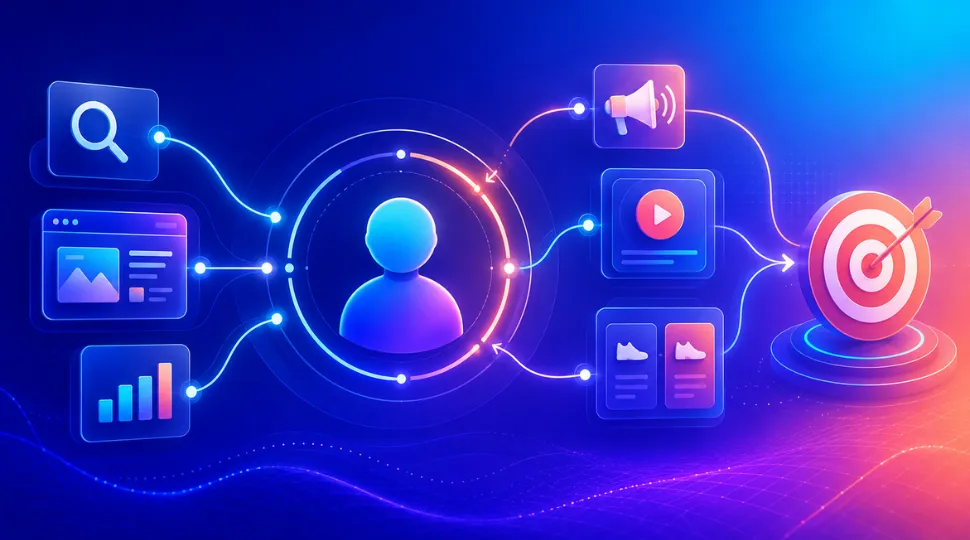
A customer intent marketing strategy aligns your content, advertising, landing pages, and offers with what people are trying to accomplish at each stage of their buying journey. Instead of asking only, "Who is our audience?", it asks a more useful question: "What does this person need right now?"
Two people with similar demographics may have completely different intentions. One may be researching a problem, while the other is ready to compare prices and contact a provider. Treating them identically often leads to irrelevant messaging, wasted advertising spend, and weak conversion rates.
To better understand the ideas discussed in this article, consider strengthening your skills with a practical digital marketing course in Pune designed for real-world application.
This guide explains how to identify customer intent, map it to the buyer journey, select suitable channels, create intent-matched content, and measure whether the strategy is producing meaningful business results.
What Is Customer Intent in Digital Marketing?
Customer intent is the purpose behind a person's search, website visit, content interaction, or buying behaviour. It explains what the customer wants to know, evaluate, complete, or purchase.
For example, someone searching for "what is CRM software?" is probably learning. A search for "best CRM software for a small business" indicates comparison, while "buy CRM software monthly plan" suggests stronger purchase intent.
Intent can be expressed through:
- Search queries
- Pages viewed
- Products compared
- Videos watched
- Ads clicked
- Forms started
- Items added to a cart
- Repeat website visits
- Email interactions
- Conversations with sales teams
A strong strategy interprets these signals together. One action may not reveal enough, but a pattern of actions can show whether the person is exploring, evaluating, or preparing to convert.
Why Customer Intent Matters
Intent-based digital marketing makes campaigns more relevant. It allows marketers to deliver the right information without pushing every visitor toward an immediate sale.
Google's historical research into "micro-moments" found that 82% of smartphone users consulted their phones while shopping in a physical store. Although published in 2015, the finding remains a useful illustration of how digital research can influence decisions even when the final purchase happens offline. Source: Think with Google.
Understanding intent helps a business:
- Prioritise high-value audiences
- Create more relevant content
- Choose suitable calls to action
- Reduce wasted PPC spend
- Improve landing-page alignment
- Build better remarketing audiences
- Shorten the path between research and conversion
- Measure meaningful customer progress
Intent marketing does not mean targeting only people who are ready to buy. Early-stage educational searches can introduce the brand, build trust, and influence future consideration.
The Four Main Types of Customer Intent
Informational intent
The person wants to learn something or solve a problem but may not be considering a specific purchase yet.
Examples include:
- "How does conversion tracking work?"
- "Why is my website traffic declining?"
- "What is customer intent?"
- "How to choose running shoes?"
Useful formats include guides, explainer videos, checklists, definitions, and educational social posts. Calls to action should offer a sensible next step, such as reading a related guide or downloading a checklist.
Navigational intent
The person wants to reach a specific brand, platform, product page, or online resource.
Examples include:
- "Google Analytics login"
- "Nike India website"
- "Digital Trainee course details"
- "HubSpot pricing page"
Brand visibility, accurate page titles, sitelinks, local listings, and clear website navigation matter at this stage.
Commercial investigation intent
The customer is comparing alternatives but has not made a final decision.
Typical searches include:
- "best CRM for startups"
- "Google Ads vs Meta Ads"
- "top digital marketing institutes in Pune"
- "Samsung vs Apple camera comparison"
Comparison pages, case studies, demonstrations, reviews, pricing explanations, FAQs, webinars, and buyer's guides perform well here.
Transactional intent
The user is ready, or nearly ready, to complete a meaningful action.
Examples include:
- "buy office chair online"
- "book a dental appointment"
- "request PPC audit"
- "CRM free trial"
Transactional pages should minimise friction. Clear pricing, trust signals, delivery information, straightforward forms, payment options, and focused calls to action become especially important.
| Intent type | Customer goal | Suitable content | Useful CTA |
|---|---|---|---|
| Informational | Learn or solve a problem | Guide, video, checklist | Learn more |
| Navigational | Find a brand or page | Homepage, location page | Visit page |
| Commercial | Compare possible solutions | Comparison, case study, demo | Compare or enquire |
| Transactional | Complete an action | Product or service page | Buy, book, register |
How to Research Customer Intent
Analyse actual search queries
Begin with the language customers already use. Google Search Console can reveal queries generating organic impressions and clicks, while the Google Ads search terms report shows searches that triggered paid ads.
Look beyond individual keywords. Classify queries according to the outcome the searcher appears to want.
Useful modifiers include:
- Learning: how, what, why, guide, meaning
- Comparison: best, top, versus, alternative, review
- Local: near me, in Pune, nearby
- Transactional: buy, book, price, quote, trial, register
Modifiers are helpful clues, not fixed rules. "Price" may indicate buying interest, but the person could still be conducting early research.
Interview customers and sales teams
Keyword tools cannot fully explain customer concerns. Speak with customers, sales representatives, support teams, and front-desk staff to discover the questions people ask before converting.
Ask:
- What problem triggered the search?
- Which alternatives were evaluated?
- What almost prevented the purchase?
- Which information created confidence?
- How long did the decision take?
- Who else influenced the decision?
A common situation marketers encounter is a high-volume keyword that appears valuable but attracts students, job seekers, or researchers rather than buyers. Customer conversations expose this gap quickly.
Study on-site behaviour
Review landing pages, internal searches, product views, form interactions, downloads, and checkout behaviour. GA4's Funnel Exploration can visualise the steps people take and identify where prospects succeed or abandon the journey. Source: Google Analytics Help.
Behaviour must be interpreted carefully. A long session might show strong engagement, but it could also indicate that the visitor cannot find an answer.
Analyse competing search results
Search the target query manually and inspect the pages Google prioritises. If the results are dominated by guides, a product page may not satisfy the current search intent. If product categories and shopping results dominate, a lengthy educational article may be too indirect.
Evaluate:
- Dominant content format
- Level of detail
- Page type
- Recurring subtopics
- SERP features
- Freshness requirements
- Local or commercial emphasis
How to Build a Customer Intent Marketing Strategy
1. Define measurable business outcomes
Start with the result the strategy must support. Examples include qualified leads, ecommerce purchases, booked consultations, trial registrations, store visits, or repeat orders.
Avoid treating impressions and traffic as the final objective. They are useful indicators, but they do not prove that customer intent is turning into business value.
2. Build customer segments around needs
Traditional personas usually describe age, location, role, and income. Add an intent layer that explains the person's current situation.
For example, a marketing software company may identify:
- A beginner trying to understand automation
- A manager comparing software platforms
- A customer seeking integration instructions
- A decision-maker requesting enterprise pricing
These groups may overlap demographically, but each needs different content and conversion paths.
3. Create an intent map
Connect customer questions with journey stages, pages, channels, offers, and metrics.
| Customer question | Intent | Recommended asset | Primary metric |
|---|---|---|---|
| "How can I reduce cart abandonment?" | Informational | Educational guide | Engaged sessions |
| "Best checkout tools for Shopify" | Commercial | Comparison page | Demo requests |
| "Checkout software pricing" | Transactional | Pricing page | Qualified leads |
| "Brand name login" | Navigational | Login page | Task completion |
This map also exposes content gaps. If the company has ten awareness articles but no comparison, pricing, or implementation content, prospects may leave when they become serious buyers.
4. Match the message and offer
Each page should answer the immediate question before introducing a call to action.
For example, a person reading an introductory SEO guide may prefer a checklist. Someone comparing SEO agencies may need case studies, deliverables, pricing context, and a consultation option.
The stronger the buying intent, the more specific the offer can become.
5. Design the next step
Intent changes as people learn. Give every asset a logical path toward the next decision.
A simple progression might be:
- Educational article
- Detailed guide or webinar
- Comparison page
- Case study
- Consultation or trial
- Purchase
- Onboarding and retention content
This is not always a straight line. Customers may skip steps, revisit pages, compare competitors, or consult colleagues before converting.
Matching Content and Channels to Customer Intent
Search engines are effective when users express a specific need. Social platforms, video, email, and display advertising can also create awareness or reinforce consideration before a formal search occurs.
For example, a business running a home-loan campaign could use:
- Educational reels for first-time buyer questions
- SEO guides for loan eligibility searches
- Search ads for rate and calculator queries
- Comparison pages for commercial intent
- Remarketing for calculator users
- Email reminders for incomplete applications
If you prefer flexible learning from anywhere, an online digital marketing course can help you strengthen practical digital marketing skills while learning at your own pace.
The channel should follow the customer's behaviour. Do not choose Instagram, Google Search, or email merely because the platform is popular.
Using Paid Advertising for Intent-Based Marketing
Paid search provides valuable intent signals because users describe what they need. However, a keyword alone does not guarantee a qualified prospect.
Google states that broad match can use available contextual signals to understand the intent behind both a search and a keyword. Google also reports that 62% of advertisers using Smart Bidding use broad match as their primary match type. Source: Google Ads Help.
This does not mean broad match is automatically right for every account. It works best when conversion tracking is dependable, conversion actions reflect real business value, and sufficient performance data is available.
Marketers should regularly evaluate:
- Search terms
- Negative keywords
- Conversion quality
- Cost per qualified lead
- Landing-page relevance
- Bid strategy
- Device and location performance
- Offline sales outcomes
Professionals who want deeper practice with PPC, GA4, GTM, remarketing, media buying, and conversion measurement can explore an Advanced Performance Marketing Course.
Measuring Customer Intent and Campaign Performance
Measure whether customers are progressing, not merely whether they are present.
Awareness and informational metrics
- Relevant impressions
- Organic query growth
- Engaged sessions
- Video completion
- Return visits
- Guide downloads
Consideration metrics
- Product comparisons
- Pricing-page visits
- Case-study views
- Webinar registrations
- Demo interactions
- Email engagement
Transactional metrics
- Qualified leads
- Purchases
- Conversion rate
- Cost per acquisition
- Revenue
- Return on ad spend
- Sales-qualified lead rate
Retention metrics
- Repeat purchases
- Renewal rate
- Customer lifetime value
- Product adoption
- Churn
- Referral activity
Use consistent campaign tagging. Google explains that UTM parameters allow campaign sources to appear in GA4's Traffic Acquisition report, helping marketers identify which campaigns referred traffic. Source: Google Analytics Help.
Where possible, connect analytics and advertising data with CRM outcomes. A campaign generating 100 leads may be less valuable than one generating 30 leads if none of the first campaign's enquiries are sales-qualified.
Common Intent Marketing Mistakes
Avoid these common problems:
- Assuming every visitor is ready to buy — Aggressive sales messages can repel people who are still learning. Give early-stage users useful information and an appropriate next step.
- Confusing keyword volume with business value — High-volume topics may generate visibility without attracting relevant prospects. Evaluate relevance, commercial potential, conversion quality, and customer value alongside volume.
- Using one landing page for every campaign — An informational search, competitor comparison, and "book now" query should not necessarily lead to the same page. Message mismatch increases confusion and abandonment.
- Ignoring post-click intent — An advertisement can match a query perfectly, but the landing page may fail to answer the promised question. Review the complete experience from search term to conversion.
- Optimising for weak conversions — Button clicks, short form starts, and page views may help diagnose behaviour, but they should not replace genuine business outcomes in campaign optimisation.
- Treating intent as permanent — The same person can move from awareness to purchase and later return with support or renewal intent. Update segments using recent behaviour rather than relying only on an old interaction.
Conclusion
A customer intent marketing strategy connects marketing activity with the decisions real customers are making. It helps SEO, content, paid media, analytics, and conversion optimisation work as one coordinated system instead of operating as separate tasks.
Start by classifying actual customer questions, mapping them to journey stages, and creating the most useful next step. Measure qualified leads, sales, revenue, and customer progression alongside traffic and engagement.
Marketers building practical skills in audience research, SEO, analytics, and campaign planning may consider a digital marketing course in Pune or a digital marketing course in PCMC. An online digital marketing course offers a flexible alternative, while an Advanced Performance Marketing Course can support deeper learning in advertising, tracking, optimisation, and measurement.
The lasting advantage comes from continually observing customer behaviour, testing assumptions, and improving the experience around genuine intent.
"The consumer isn't a moron; she is your wife."
— David Ogilvy, Confessions of an Advertising Man
Frequently Asked Questions
1. What is a customer intent marketing strategy?
It is a plan that organises content, channels, advertising, and offers around what customers are trying to accomplish. It uses signals such as search queries, page visits, comparisons, and form actions to distinguish between informational, navigational, commercial, and transactional needs.
2. How do you identify customer intent?
Analyse Search Console queries, Google Ads search terms, website behaviour, customer interviews, sales conversations, internal searches, and competitor results. Use multiple signals because a single keyword or page view may not accurately reveal a person's readiness to buy.
3. What is the difference between search intent and customer intent?
Search intent describes the purpose behind a specific query. Customer intent is broader and may include searches, website behaviour, previous purchases, email interactions, and sales conversations. Search intent is therefore one important component of overall customer intent.
4. Can customer intent improve SEO?
Yes. Matching page type, format, depth, and content with the searcher's expected outcome can make a page more useful and competitive. Intent alignment should complement technical SEO, topical expertise, credible information, internal linking, and a good page experience.
5. How does intent-based marketing improve paid campaigns?
It helps marketers group queries, select relevant messages, create better landing pages, set suitable offers, and evaluate lead quality. This can reduce irrelevant traffic, although success still depends on tracking accuracy, bidding, competition, budget, creative quality, and website experience.
6. Which customer intent has the highest conversion potential?
Transactional intent usually has the strongest immediate conversion potential. Commercial investigation can also be valuable because customers are actively comparing solutions. Informational intent may convert later, making assisted conversions and return visits important when assessing its contribution.
7. How often should an intent strategy be updated?
Review search terms and paid campaign performance weekly or fortnightly when spend is active. Conduct a broader content and customer-journey review quarterly. Update the strategy sooner when products, customer behaviour, competitors, search results, or market conditions change substantially.